

Travel Insurance Might Not Seem Worth It, Until You Need It!
When I was still drinking, planning a trip was a mess of chaos and denial. I’d forget to pack essentials, show up to the airport hungover, or blow money I didn’t have on mini-bar charges and late-night bar tabs. I never even considered something like travel insurance. It felt like one of those “adult” things people with their lives together cared about.
But now that I’m sober, I approach travel differently. I’m more intentional. I care about my well-being. And I think about things like safety, budgeting, and what would happen if something went wrong in a new country or even just across the state line.
That’s where travel insurance comes in.
If you’re planning a sober trip – whether it’s a solo retreat in the mountains, a wellness getaway in Costa Rica, or a weekend reconnecting with sober friends – travel insurance isn’t just a nice-to-have. It can be a key part of your planning, peace of mind, and even your recovery.
Let’s break down why.
1. What Is Travel Insurance, Anyway?
Travel insurance is a safety net. It’s a policy you purchase to cover unexpected problems that can pop up before or during your trip. Think canceled flights, lost luggage, sudden illnesses, or even emergencies that require medical attention abroad.
It’s especially important when you’re traveling internationally; your regular health insurance probably won’t cover you once you leave your home country.
There are several types of travel insurance plans, but the most common ones cover:
- Trip cancellation/interruption
- Emergency medical expenses
- Lost or delayed baggage
- Travel delays
- 24/7 assistance services
- Some policies even offer coverage for adventure activities, rental cars, or specific risks like COVID-19.
And if you’re planning your trip with recovery in mind, it’s worth knowing that travel insurance can actually support your sober lifestyle in more ways than you’d think.
2. Why Sober Travelers Should Care About Travel Insurance
Sobriety doesn’t make us immune to life’s curveballs. In fact, many of us travel precisely because we’re healing, exploring, or searching for peace. That can mean venturing to remote places, booking retreats, or traveling solo, all of which come with risk.
Here’s how travel insurance helps protect your sober trip:
a. Peace of Mind for Emotional Stability
Early sobriety can come with anxiety. The last thing you want is to spiral into panic if your flight gets canceled or you lose your bag with your recovery journal or meditation supplies in it. Travel insurance won’t stop those things from happening, but knowing you’re covered can give you emotional breathing room.
b. Medical Coverage Abroad
What if you get food poisoning or have an allergic reaction abroad? If you’re in recovery, your body may still be adjusting, and you might have specific health considerations. Medical coverage through travel insurance ensures you get the care you need without a financial crisis.
c. Protection for Non-Refundable Retreats or Workshops
Sober travel often includes things like yoga retreats, personal development workshops, or spiritual excursions. These can be pricey and non-refundable. If you have to cancel your trip for a covered reason, travel insurance can reimburse you.
d. Helpline Services in a Pinch
Many travel insurance companies offer 24/7 assistance. If you get overwhelmed, stranded, or unsure of your next step, having a number to call can be invaluable, especially if you’re in a foreign country and don’t speak the language.
3. Common Travel Issues That Make Insurance Worth It
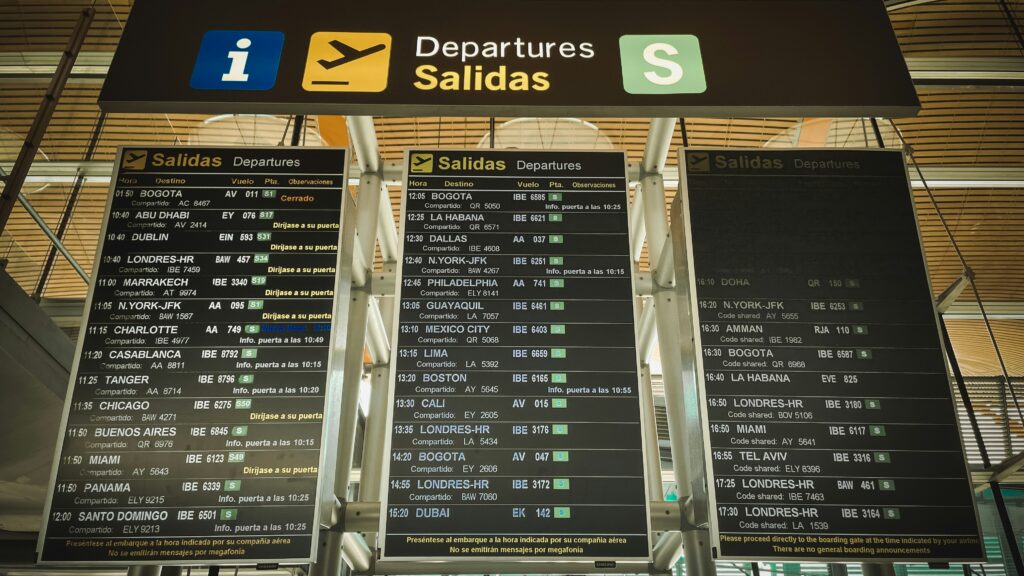
Even the best-planned sober trip can run into unexpected issues — it’s just part of life on the road. Travel is beautiful and enriching, but it’s also full of variables: weather, delays, human error, and plain old bad luck. That’s where travel insurance becomes more than a checkbox on your booking page — it becomes a smart, practical layer of protection.
Here are some common scenarios where travel insurance can save your trip (and your wallet):
Flight Cancellations or Delays
Airline delays happen all the time, and sometimes a delayed flight means missing a connection — or even missing a whole retreat or scheduled event. Travel insurance can reimburse you for hotels, meals, or even rebooking costs if your delay is covered.
Lost or Delayed Luggage
If your luggage is lost or delayed, you may be left without essentials — clothing, toiletries, medications, or even recovery-related items like journals, books, or meditation tools. Baggage coverage under a travel insurance plan can help you replace what you need without stress.
Trip Interruption
Sometimes life pulls you away — maybe there’s a family emergency, a health issue, or a sudden need to return home early. A good travel insurance policy with trip interruption coverage can refund your unused, non-refundable expenses.
Emergency Medical Expenses
Accidents or illnesses can happen anytime, anywhere. Whether it’s a simple case of food poisoning or a more serious medical issue, travel insurance helps cover treatment costs — especially important when traveling abroad where your regular health coverage may not apply.
Natural Disasters or Political Unrest
Unexpected events like hurricanes, wildfires, or civil unrest can disrupt travel plans in an instant. Comprehensive travel insurance often includes coverage if your destination becomes unsafe or inaccessible.
Non-Refundable Retreats or Activities
Many sober travelers attend wellness retreats, group excursions, or therapeutic workshops — all of which can require upfront, non-refundable deposits. If you can’t attend due to a covered reason, travel insurance helps you recover those losses.
4. How to Choose the Right Travel Insurance for You
There’s no one-size-fits-all policy. Your best option depends on:
- Where you’re going
- How long you’ll be gone
- What you’ll be doing
- Your health and travel history
- Your budget
Here are a few tips for sober travelers choosing a policy:
a. Consider Mental Health Coverage
Not all policies cover mental health emergencies. If you’re still early in recovery or worried about managing mental health on the road, check the fine print or call the insurer to ask.
b. Look at Trip Cancellation Clauses
Life in recovery can be unpredictable. You might need to postpone your trip due to personal growth opportunities, sponsor advice, or family emergencies. Make sure your travel insurance has solid cancellation coverage.
c. Double-Check Exclusions
Some policies exclude injuries related to substance use, which might not apply to you now, but it’s always smart to read the exclusions. Better safe than stuck.
d. Choose a Reputable Provider
Stick with well-reviewed travel insurance providers like World Nomads, Allianz, or SafetyWing. If you’re booking a retreat or group sober trip, they might have a recommended partner or offer group discounts.
5. How Much Does Travel Insurance Cost?
The cost of travel insurance depends on your trip details; usually 4–10% of your total trip cost. So if your trip is $2,000, you might pay $80–$200 for a policy.
It might feel like just one more expense. But ask yourself: if something unexpected forced you to cancel, could you afford to eat that cost?
Think of it like car insurance: you don’t expect to crash, but you’d be foolish to drive without it.
6. When to Buy Travel Insurance
Buy your policy as soon as you book your trip. Some benefits – like pre-existing condition coverage or “cancel for any reason” options – may only be available if you buy within a certain window (usually 14–21 days from your initial deposit).
Don’t wait until the day before you fly. You’ll limit your options and might miss out on important coverage.
7. Sober Travel and Responsible Planning Go Hand in Hand

Sober travel is about more than avoiding bars and clubs. It’s about reclaiming your freedom, exploring with clarity, and taking care of yourself in a way you might never have before.
Travel insurance is a small but powerful way to do that.
It says, I value this trip. I value myself. I’m willing to prepare for the unexpected so I can focus on being present and open to joy.
It also means if something does go sideways, it doesn’t have to knock you off course.
8. I’ve Seen it Happen Before
Throughout my travels, I’ve been fortunate enough not to experience a major medical emergency (knock on wood). But I’ve witnessed enough close calls to say – firsthand – that having proper travel insurance is a lifesaver.
There was the girl in Portugal who didn’t jump far enough during a cliff dive and slammed her legs on the rocks. She ended up in double leg casts. Then there was the guy in Thailand who ignored the “don’t feed the monkeys” sign and got bitten on the beach. Yes, by monkeys. Medical attention was not optional in either case.
I’ve even had my share of minor health issues on the road. In Cambodia, I once woke up with insanely itchy bites covering my legs. My first thought was bed bugs. But after realizing the bites didn’t go above my knees and doing a bit of research, I figured out it was sand fly bites.
I went to a local pharmacy and got a prescription cream to help with the itching, and thankfully it passed within a few days. But I remember thinking, What if I’d had an allergic reaction? I was grateful I had travel insurance, even if I didn’t need it for that specific incident, knowing it was there gave me peace of mind.
Prepare, Don’t Panic
Sober travel can be magical. You wake up early. You remember everything. You have deeper conversations and find joy in quiet moments, not just noisy distractions.
But life still happens. Flights get canceled. Luggage gets lost. Bodies get sick. Feelings get big.
Travel insurance doesn’t solve all of that, but it’s one tool – one wise choice – in your sober travel toolkit.
So before you zip up your suitcase or book that silent retreat, take 15 minutes to research a good travel insurance policy. It’s a small step that can make a big difference.
And trust me, your future self will thank you. Let yourself live!